You gain control by learning about strategies that lower your risk and recognizing why early action matters. EtOH abuse, also referred to as alcoholism, is a serious medical disease causing the death of several million worldwide. The Centers for Disease Control and Prevention (CDC) reports that around 140,000 Americans die annually from alcohol use. The group highest at risk from an alcohol related death are men between the ages of 17 and Substance abuse 52 years old.
ETOH Meaning and Dangers: Understanding the Risks of Alcohol Use
Doctors can use the blood alcohol concentration to gauge impairment etoh meaning and adjust treatment plans. Alcohol addiction, often referred to as EtOH addiction, is a subject that touches countless lives, yet it remains widely misunderstood. Despite being one of the most commonly consumed substances in the world, EtOH (ethyl alcohol) can lead to serious physical, emotional, and social consequences when misused.
- Ethyl alcohol, also called ethanol, is the main ingredient in alcoholic beverages such as beer, wine, and spirits.
- Healthcare professionals use the term EtOH to indicate a patient’s alcohol use or blood alcohol level.
- Such treatment is ideal for those who have a strong desire to recover but are unable or unwilling to step away from their day-to-day activities.
Alcoholism Resources and Programs
- This means that with each sip, a person drinking beer gets less alcohol than someone drinking gin or grain alcohol.
- These challenges result in spending around $25 billion annually on welfare programs required to assist those affected.
- ETOH stands for “ethyl alcohol,” the same chemical found in everyday alcoholic beverages.
- Read on to learn more about EtOH and discover how to get effective treatment for addiction – whole-body recovery is possible 1 with the right compassionate care.
These genetic factors influence clinical presentations labeled under “EtOH-related disorders,” affecting diagnosis and treatment plans. This means that with each sip, a person drinking beer gets less alcohol than someone drinking gin or grain alcohol. In hospitals, EtOH is used in tests to measure how much alcohol is in a person’s blood. These tests are important for diagnosing and treating patients who might be drunk or suffering from alcohol poisoning. Our rehab centers help men, women who are struggling with addictions, substance abuse and co-occurring disorders. While the symptoms of alcohol withdrawal will ease after five days, a person can still have post-acute withdrawal syndrome (PAWS).
Accessing Professional Help
- Naltrexone blocks the feeling of pleasure alcohol brings and reduces your urge to drink.
- Unfortunately, as nurses, you’re going to see that pattern a lot in the hospital.
- These four letters all stand for the scientific description of this molecular combination.
- By using these resources, you improve your chances of lasting success and can reclaim control from EtOH’s hold, regardless of where you start your recovery journey.
As a general rule of thumb, the liver can metabolize about one “standard” drink in a 60-minute time frame. The amount of alcohol found in each beverage can vary significantly based on the alcoholic drink they are consuming and what state the drink is sold in. The risk of becoming addicted to alcohol can be reduced by adhering to these guidelines, which would help in leading a happier, more fulfilling life. EtOH can also affect the levels of glutamate in the brain, a neurotransmitter involved in learning and memory. Alcohol can decrease glutamate activity, leading to memory impairment and difficulty learning new information. The 2019 National Survey on Drug Use and Health (NSDUH) reported that 14.5 million people aged 12 and older (5.3 percent of this age group) had Alcohol Use Disorder (AUD).

The Difference Between EtOH and Other Alcohols Mentioned Medically
The damage includes disruption of neurotransmitter systems and cognitive functions which can manifest as https://ecosoberhouse.com/ memory loss, dementia or neuropathy. Excessive drinking increases risk of various cancers including breast and liver cancer. Understanding the ETOH medical abbreviation aids in identifying alcohol use disorder (AUD), a condition where patients struggle to control their drinking despite negative consequences. Accurate documentation of ETOH in medical records aids in diagnosing AUD and coordinating appropriate interventions. The term ETOH is an abbreviation derived from the chemical formula for ethanol, which is C2H5OH. In medical terminology, ETOH is shorthand for ethanol, commonly referred to as alcohol.
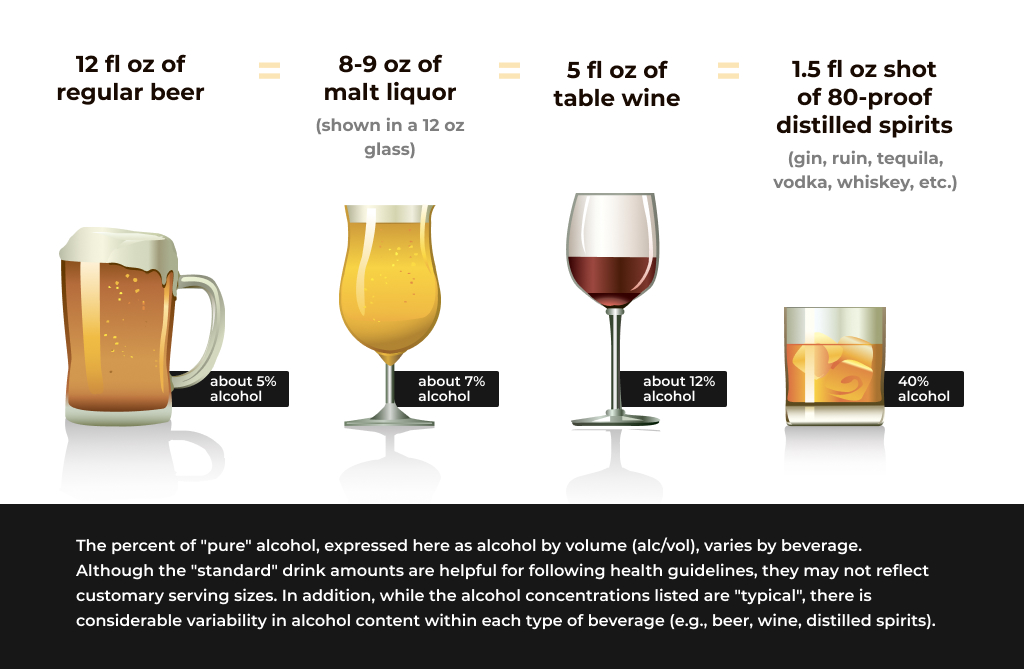
It often appears in patient medical histories, signifying past or current alcohol consumption patterns. ETOH is also noted in laboratory test results, such as blood alcohol content (BAC) tests, which measure ethanol in the bloodstream. Toxicology screenings may report ETOH levels, particularly in emergency situations where intoxication or poisoning is suspected.
By knowing the risks of alcohol misuse and seeking help when needed you can reduce your risk of developing alcohol use disorder and live a healthy life. Physical dependence is a key symptom of AUD, characterized by the need for alcohol to avoid withdrawal symptoms. Those suffering from AUD have a heightened risk of encountering mental health challenges including anxiety and depression. These conditions can aggravate AUD by fostering a perpetuating cycle of reliance on alcohol and emotional turmoil. Early detection of these manifestations greatly enhances the likelihood of effective treatment outcomes leading to recovery. As an ingredient in drinks across many cultures ethanol is a depressant to the central nervous system.